top of page


If climate-conscious eating is a new term or concept to you, you are not alone. The term has only recently entered the zeitgeist. Climate-conscious eating is, “making food choices with sustainability in mind,” according to the website, Chantal Organics. A climate-conscious diet consists of plant-based foods, foods that have been minimally processed, and a moderate amount of animal products. The reduction of consuming resource-intensive foods in order to meet climate goals is central to climate-conscious diets.
This type of diet is often practiced in tandem with a sustainable lifestyle. Reducing one’s personal carbon footprint by shopping locally, eating organic, biking, walking, recycling and upcycling, and reducing waste extends the benefits of climate-conscious eating to the planet. The ultimate purpose of climate-conscious eating is to reduce our dependence on natural resources, reduce agricultural land use, keep rivers and oceans clean, protect all species, and protect ecosystems.
If you have an interest in the concept of climate-conscious eating, here are some ways to make it part of your daily life.
Eat Climate-Conscious Foods
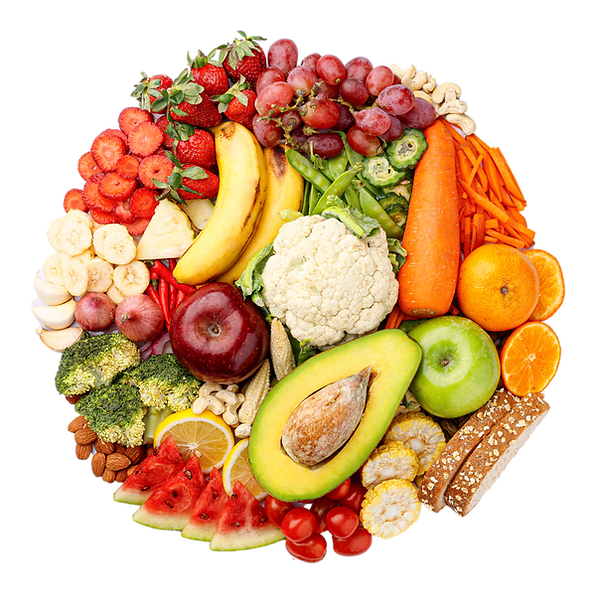
Climate-conscious foods are fruits, vegetables, grains, nuts, and seeds that have been grown in a sustainable manner without the use of pesticides and fertilizers. Although eating them seasonally isn’t always easy, depending on where we live, eating plant-based foods that are in season is better for the planet than eating those grown out of season, because the process uses large quantities of fossil fuels. The Daily Meal suggests utilizing the Seasonal Food Guide, which is available online, to find out which in-season foods are available in your area at any time of year to make it easier to eat seasonally.
Buy and Eat Foods Produced Locally
When we buy organic produce that has to be transported from somewhere else, instead of organic produce available at our local farmer’s market or the local section of our grocery store, the fossil fuel consumed by transporting it negates the good we are trying to do by buying produce not grown using pesticides. As well, when we buy from the market, the produce is loose, not packaged with plastic wrap and Styrofoam trays. Buying locally also ensures the freshness of the produce. Food that is shipped from long distances is often picked before it is ripe and is therefore less nutritious. Buying local meat also reduces the amount of fossil fuels used to have access to it.
Plant a Vegetable Garden or Join a Community Garden
Raising our own vegetables is an enjoyable and fulfilling way to ensure we eat fresh, organically grown food that is available to us without the added cost of shipping and the use of fossil fuels. Not only is it a climate-conscious way to produce our food, it ensures our vegetables are fresh and nutritious and it saves us money. Not everyone has the ability or space to have their own garden, so joining a community garden may be the best option. Many cities have chosen to repurpose parking lots and other urban areas to establish plots of land where community members can grow food.
There are four types of climate-conscious diets to choose from:
The Reducetarian Diet
The reducetarian diet reduces the amount of animal products we consume. There are no specific rules, just a conscious choice to cut back on eating meat, eggs, and dairy products helping to relieve the global food and water crises, according to Chantal Organics.
The Flexitarian Diet
The flexitarian diet offers the flexibility of eating meat products occasionally with the focus being on the consumption of plant-based minimally processed foods. The difference between it and the reducetarian diet is that reducetarians eat more animal products.
The Climatarian Diet
The climatarian diet focuses on consuming sustainable foods, whether plant based or animal sourced. Where and how the food is produced and its effect on the environment is the main concern. Sustainable fish, seasonal fruits and vegetables, organic products, and locally grown products feature heavily in this diet.
The Planetary Health Diet
The EAT-Lancet report of 2019, the first scientific review of what constitutes a healthy diet from a sustainable food system, included a planetary health diet. It includes mostly high-quality plant-based foods and a small amount of animal-based foods, refined grains, added sugars, and unhealthy fats, according to The Plate and the Planet blog on the Harvard T. H. Chan School of Public Health website.
As its name implies, climate-conscious eating takes a conscious effort. It requires that we eat more plant-based seasonal foods, consume fewer animal products, and seek out locally sourced organic foods. In short, it is a commitment. However, it is a commitment many are beginning to make for their own health and for the good of the planet.
bottom of page