
Is Personalized Learning The Way Of The Future

Most classrooms in most states are set up in the same way. Children are seated at desks in rows with the teacher, their desk, and a blackboard at the front. Learning is directed by the teacher and lessons are taught in modules. When the module is completed the whole class moves on to the next one. In traditional classrooms, students are expected to learn the same material at the same pace and in the same way as their peers.
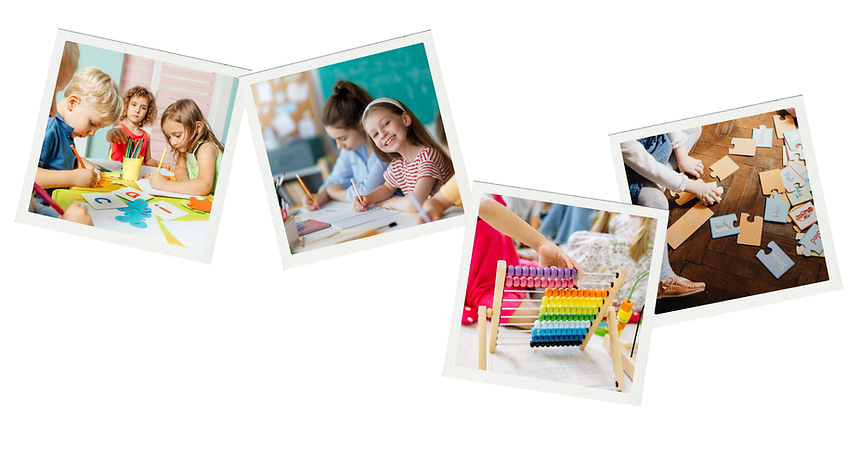
In personalized learning, classrooms look very different. Seating is flexible, giving students options for the way they sit and what they sit in. For example, one may want a stool to sit on, another a beanbag chair, and yet another a therapy ball. Setup is also flexible with rotating stations designed for certain tasks. This encourages children to work together and it gives the teacher the ability to work with small groups.
Now that we have a mental picture of the way the look of a traditional classroom contrasts with the look of a personalized learning classroom, let’s consider the meaning of personalized learning. “Personalized learning is an educational approach that tailors learning around each individual student’s needs, interests and abilities. Each student is given differentiated instruction based on their personal learning characteristics. When schools implement a personalized learning program, the method and speed of learning can vary for each student. However, the end goal and academic standards don’t differ. Each student must reach a certain mastery level of the topic by the end of the unit or school year,” according to the article Personalized Learning: Definition, Common Strategies, Plans & Examples, by Justin Raudys on the Prodigy website.
In order for personalized learning to work, teachers need to be trained in its philosophy and methodology and learn how to properly assess students’ strengths, weaknesses, and interests in order to properly get them on their personalized learning path. Also, technology needs to be utilized alongside the implementation. E-learning systems can track and manage the progress and needs of each student in real time. One option is game-based learning, which gives students the ability to learn at their own pace and have fun at the same time.
Not yet the norm in our schools, personalized learning is gaining some traction and popularity. Here are three reasons why:
Personalized Learning Allows Students to Learn and Advance at Their Own Pace
Children don’t learn in the same way or at the same pace. As well, they may grasp certain concepts quickly while taking longer to grasp others. Giving each child the opportunity to learn the same material with the same eventual outcome as their peers, but in their own time using a process tailored to fit their needs, makes learning less stressful, more enjoyable, and more impactful. It also may result in students who are more eager to learn.
Personalized Learning Allows Students to Take Part in Developing Their Own Learning
Because they are given a set of options for ways to learn and are able to choose the option that works best for them, students in personalized learning classrooms
play an important role in their own education. Being part of the decision-making process in the way they learn makes them more motivated to do so. Personal motivation is key to learning and to being successful.
Personalized Learning Allows Teachers to Use Their Time More Effectively
We can’t deny the importance of teachers in all learning environments. Their effectiveness is at the heart of learning. Because many personalized programs
utilize technology and include activities for individuals as well as groups of students working collaboratively, teachers in personalized learning classrooms have more time to work with small groups targeting skills that need to be improved on.
Including children in making decisions about how they learn, allowing them to learn at their own pace, and structuring classrooms so they are less structured are all admirable features of personalized learning. Together, they create a more comfortable, enjoyable, less stressful environment for learning than does traditional learning. Although some children thrive in the traditional learning classroom, all children are given the opportunity to do so in the personalized learning classroom. Perhaps, as more schools embrace the concept, personalized learning will become the way all students learn in the future.